
On this page
Omega retail prices have continued a steady annual climb through 2026, generally in the low-to-mid single digits, in line with broader Swiss watch industry increases. Secondary-market performance has been more selective: rare references like the Speedmaster Silver Snoopy Award trade above retail, high-demand steel Seamaster and Speedmaster models have held value well, and most other current-production references still settle 25% to 45% below retail once resold. Entry-level pieces in the $3,000–$6,000 range have stayed the most price-stable part of the catalog.
Two things are true about Omega pricing at the same time in 2026, and most coverage only mentions one of them. Retail prices keep climbing, the way they do almost every year across the Swiss watch industry. But on the secondary market — where the actual demand shows up — the picture is a lot more selective. Some references are genuinely appreciating. Most are still settling well below what they cost new. Knowing which is which matters a lot more than a single "Omega prices are up" headline.
This breaks down what's actually moving, using secondary-market tracking data and retail pricing patterns through mid-2026, not guesswork.
Retail Prices: Slow and Steady, Not a Spike
Omega's list prices have followed the same pattern as most Swiss brands this year — incremental increases spread across the calendar rather than one big jump. Industry-wide, annual retail increases have typically landed somewhere between the low single digits and around 10%, depending on materials and segment, and Omega has tracked close to the middle of that range rather than the aggressive end.
Two things are pushing this. First, ordinary cost inflation — materials, labor, and currency shifts all feed into list pricing over time. Second, positioning: Omega's parent company, the Swatch Group, has been gradually moving the brand further upmarket relative to where it sat a decade ago, which shows up as pricing that creeps closer to entry-level Rolex territory on certain sports references.
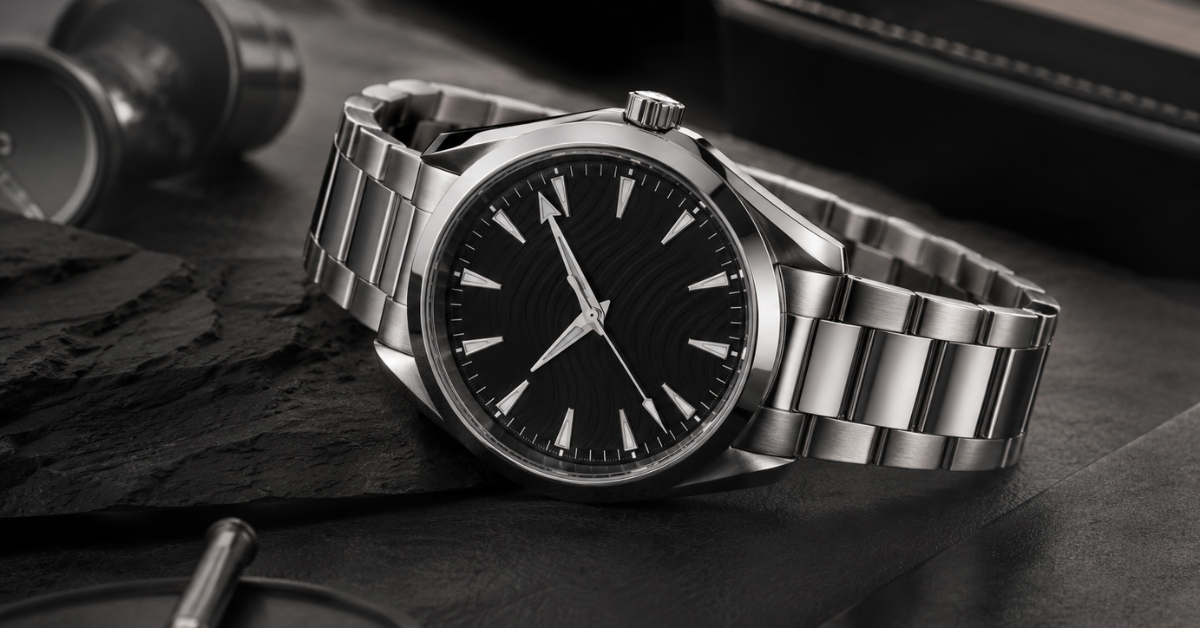
Entry-level Omega — the Seamaster Aqua Terra, base Diver 300M, Railmaster — has been the exception. That segment has stayed comparatively restrained, generally holding in the $3,000 to $6,000 range at retail, because pricing this tier too aggressively risks pushing new collectors toward competing brands entirely. If you're shopping in that range specifically, our breakdown of Best Omega Watches Under $20,000 covers where current pricing actually lands across the accessible end of the catalog.
What's Actually Rising on the Secondary Market
This is where the interesting movement is happening, and it's concentrated in a handful of specific references rather than the brand broadly.
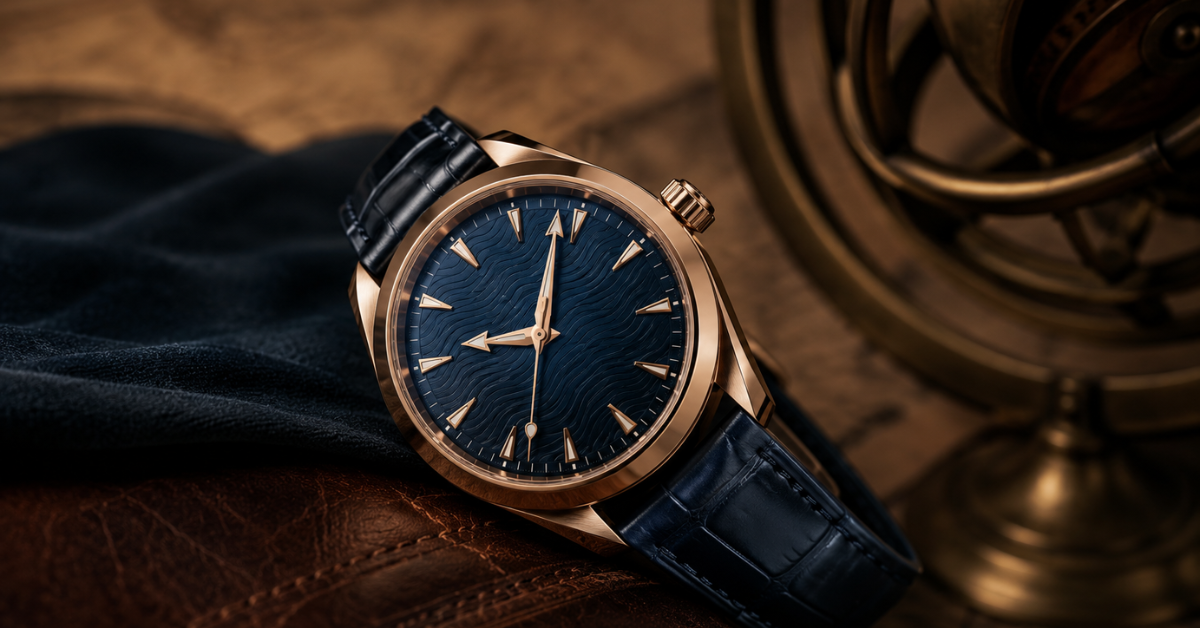
High-demand steel sports watches — the wave-dial Seamaster Diver 300M and current Speedmaster references in particular — have shown real resilience. Secondary-market tracking through the first half of 2026 has shown Omega posting steady month-over-month gains alongside other mid-tier Swiss brands like Cartier and Tudor, a group that's been outperforming some of the higher-end names on a percentage basis, even if the dollar amounts involved are smaller. Full details on the current Diver 300M lineup and where individual references sit are in our Seamaster Diver 300M review.
Limited and specialty pieces are the real outliers. The Speedmaster Silver Snoopy Award is the clearest example in the current catalog — it's one of the few Omega references that trades above retail on the secondary market, driven by low production numbers and strong collector demand rather than anything about the base Speedmaster platform. That kind of premium is the exception, not a preview of where standard production models are headed.
Overall market size has expanded, too, not just prices. Secondary-market transaction volume for Omega has grown substantially year over year, part of a broader shift as more buyers move toward pre-owned rather than waiting out retail increases at the boutique level. That expansion in demand is arguably a bigger long-term signal than any single reference's price movement.
What's Holding Steady (or Declining)
Most current-production Omega watches still depreciate meaningfully the moment they leave an authorized dealer — typically somewhere in the 25% to 45% range below retail on resale, depending on the reference and condition. That's not unusual for the category outside a handful of brands with artificial retail scarcity, and it's actually good news if you're buying rather than selling.
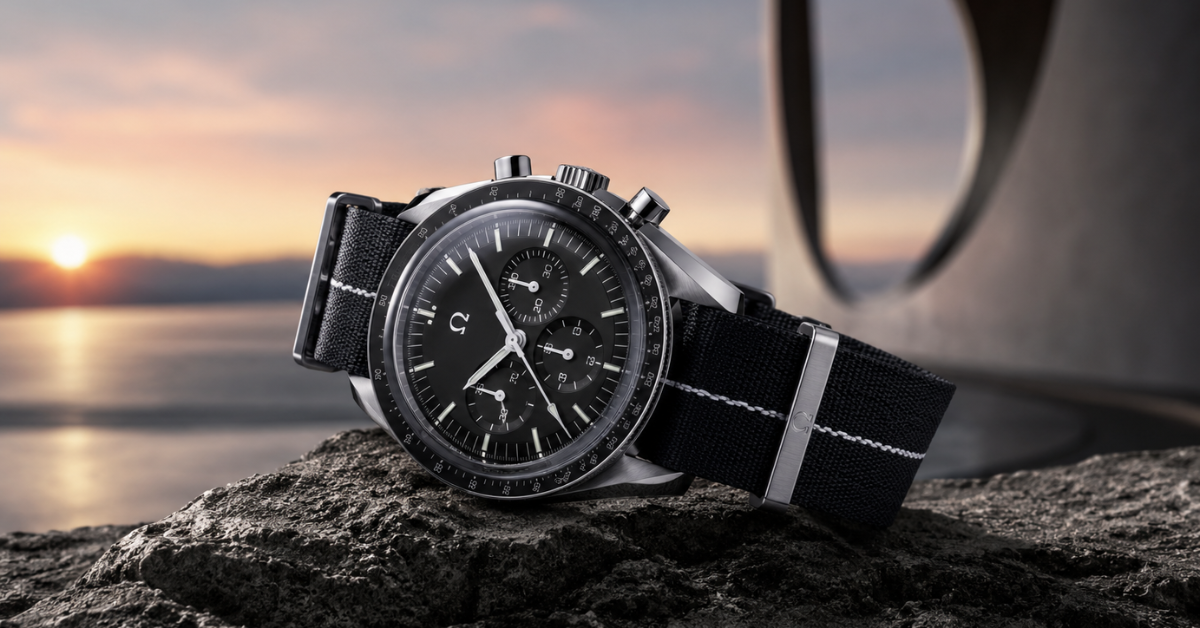
The Speedmaster Moonwatch is a useful case study here. Its retail price has climbed multiple times over the past several years, but its pre-owned price has stayed comparatively flat across the same period — the gap between what it costs new and what it costs pre-owned has widened, not narrowed. For buyers, that's created a growing incentive to consider pre-owned rather than new, especially since Omega's simpler references are relatively straightforward to authenticate compared to more complicated pieces. Our full walkthrough on Speedmaster references, movements, and current pricing is here: Best Omega Speedmaster Models.
Constellation and De Ville pieces, meanwhile, have stayed relatively flat on both sides of the market. They're less liquid than the sports references — meaning they take longer to sell and see fewer transactions — which keeps both retail increases and secondary appreciation more muted. If you're weighing either collection, our Constellation review and De Ville review go into where current pricing sits for each.
Why METAS Certification Is Becoming a Pricing Factor
One trend worth watching closely: Master Chronometer (METAS) certification is starting to function as a real value differentiator, not just a spec sheet line. Every current Omega uses it, but as older, non-METAS references age out of production, some market analysis points to a growing gap between certified and non-certified pieces on the secondary market — buyers increasingly treating the 15,000-gauss magnetic resistance and independently verified accuracy as a meaningful reason to pay more, not just marketing language.
That's a reasonable instinct. METAS testing is conducted by Switzerland's federal metrology institute, not Omega itself, which makes it one of the few genuinely third-party-verified quality claims in the watch industry.
Vintage: A Different Market Entirely
Vintage Omega runs on its own logic, largely disconnected from current retail pricing. Early Speedmasters, first-generation Seamaster 300s, and pie-pan Constellations trade based on originality, condition, and rarity rather than anything happening at Omega boutiques this year. That market has stayed strong through 2026, with well-documented, unrestored examples continuing to command premiums over redialed or over-polished pieces. If vintage is where your budget is headed, our roundup of 5 Best Vintage Omega Watches Worth Collecting is a solid starting point for which references are actually worth pursuing.
What This Means If You're Buying in 2026
If you want a watch to wear, the current pricing environment mostly favors patience and the pre-owned market — most references are available below retail, often significantly. If you're buying with resale value partly in mind, stick to the high-demand steel sports references and limited pieces; everything else in the lineup should be bought because you want to wear it, not as a store of value. For a full walkthrough of the buying process itself, from authorized dealers to grey-market considerations, our Omega Watches Buying Guide covers that ground in detail.
FAQ
Are Omega watch prices going up in 2026? Retail prices have continued rising at a modest, industry-typical pace, generally in the low-to-mid single digits to around 10% depending on the reference, while secondary-market prices have moved more selectively by model.
Which Omega watches are appreciating in value? Rare, low-production pieces like the Speedmaster Silver Snoopy Award trade above retail, and high-demand steel sports references such as the Seamaster Diver 300M have held value well, though most current-production Omega watches still depreciate on resale.
Is it better to buy an Omega new or pre-owned in 2026? For most buyers, pre-owned offers meaningfully better value since most references settle 25% to 45% below retail, though new purchases guarantee full warranty coverage and the current movement generation.
Does METAS certification affect an Omega's resale value? It's increasingly treated as a value factor by secondary-market buyers, since it's an independently verified quality standard rather than a brand-issued claim, though its full long-term impact on pricing is still developing.
Why does the Speedmaster Moonwatch keep going up in retail price while pre-owned prices stay flatter? Iconic, high-recognition references tend to see more frequent retail increases than the broader catalog, while pre-owned pricing responds more to actual transaction demand, which widens the gap between new and used prices over time.
Conclusion
The honest read on Omega pricing in 2026 is that there isn't one story — there are several running in parallel. Retail keeps climbing steadily. A small number of references are genuinely appreciating. Most of the lineup still depreciates the way watches always have. None of that requires timing the market perfectly; it just means matching your purchase — new, pre-owned, or vintage — to whether you're buying to wear or buying to hold.
Editor-in-Chief
Editorial Team