On this page
The Omega Speedmaster became NASA's flight-qualified watch after surviving eleven brutal qualification tests at the Manned Spacecraft Center in Houston in March 1965 — extreme temperature cycling, thermal vacuum, humidity, shock, vibration, and more. Submitted watches from other brands, including Rolex and Longines-Wittnauer, failed along the way; only the Speedmaster passed everything. NASA officially declared it "Flight Qualified for all Manned Space Missions" and it went on to fly on every crewed NASA mission since, including Apollo 11 in 1969 and the emergency manual engine burn that helped bring Apollo 13 home safely.
Most brand origin stories get inflated somewhere along the way. This one, unusually, is almost undersold by how it's typically told. "It went to the Moon" makes it sound like Omega handed NASA a watch and NASA nodded along. What actually happened was closer to a competition with real losers, run by an engineer whose job was to break every watch put in front of him.
This is that story, with the actual testing details — not just the highlight reel.
The Memo That Started It
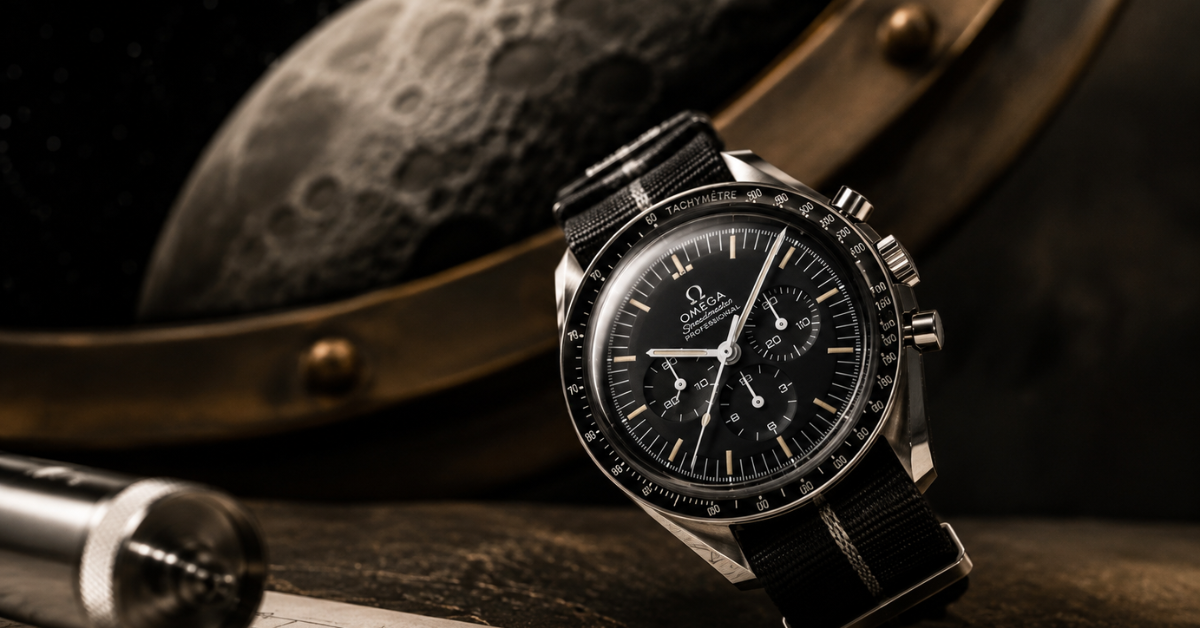
On September 21, 1964, NASA's Flight Crew Operations Director, Deke Slayton, issued an internal memo. The Gemini and Apollo programs needed a chronograph — a fail-safe timing instrument, independent of the spacecraft's own electronics, that astronauts could rely on if onboard systems failed. Space wasn't optional here; a watch that couldn't function reliably in a pressurized suit, in vacuum, in temperature swings no consumer product was ever designed for, was worse than useless.
NASA reached out to major watch manufacturers, and several submitted chronographs for consideration. This wasn't a sponsorship deal or a marketing pitch — it was a procurement process with an engineer named James Ragan running the actual tests, and by his own account, he wasn't sure going in that any watch would survive what he had planned.
Eleven Tests Designed to Break Watches
In March 1965, the submitted chronographs went through eleven qualification tests at NASA's Manned Spacecraft Center in Houston. This wasn't a checklist exercise — it was closer to deliberate destruction testing, and it's worth listing because the specifics explain why the result mattered:
- Temperature cycling between roughly -18°C and +93°C, including sustained exposure at the high end
- Thermal vacuum, simulating the near-total absence of pressure in space
- Humidity testing severe enough to cause condensation and corrosion in weaker designs
- Shock testing, replicating the physical jolts of launch and re-entry
- Acceleration forces well beyond anything a normal watch would ever experience
- Vibration and acoustic noise, matching the punishing conditions inside a rocket at launch
Watches from other manufacturers didn't make it through. One submitted watch reportedly had its crystal pop loose during the humidity test; another failed under the temperature extremes, with hands that warped and jammed. Only the Omega Speedmaster, reference ST 105.003, passed every single test without failure.
Flight Qualified — Officially
On March 1, 1965, NASA's flight safety office confirmed the result: the Speedmaster was the only chronograph that met every requirement. NASA formally designated it "Flight Qualified for all Manned Space Missions" — a certification that took a few more months to be issued as an official letter, but the testing verdict itself was clear from March.
It's worth being precise here, because the record has occasionally gotten blurry over sixty years of retelling: Omega didn't design the Speedmaster for NASA, and NASA didn't help design the watch. The Speedmaster had existed since 1957, built originally for motor racing. It won the qualification on the merits of an unmodified, off-the-shelf design — which is a more remarkable outcome than if NASA had spent years engineering a bespoke space chronograph from scratch.
First Flight: Gemini, Not Apollo
The Speedmaster's actual spaceflight debut came just three weeks after qualification. On March 23, 1965, astronauts Gus Grissom and John Young wore Speedmasters during the Gemini 3 mission — the first crewed flight to carry the newly qualified watch. Later that same year, Ed White wore his Speedmaster during the first American spacewalk on Gemini 4, cementing the watch's association with extravehicular activity years before anyone set foot on the Moon.
By the time Apollo 11 launched in July 1969, the Speedmaster had already flown on every crewed NASA mission for four years. The Moon landing wasn't the watch's first test — it was the most famous one.
July 20, 1969
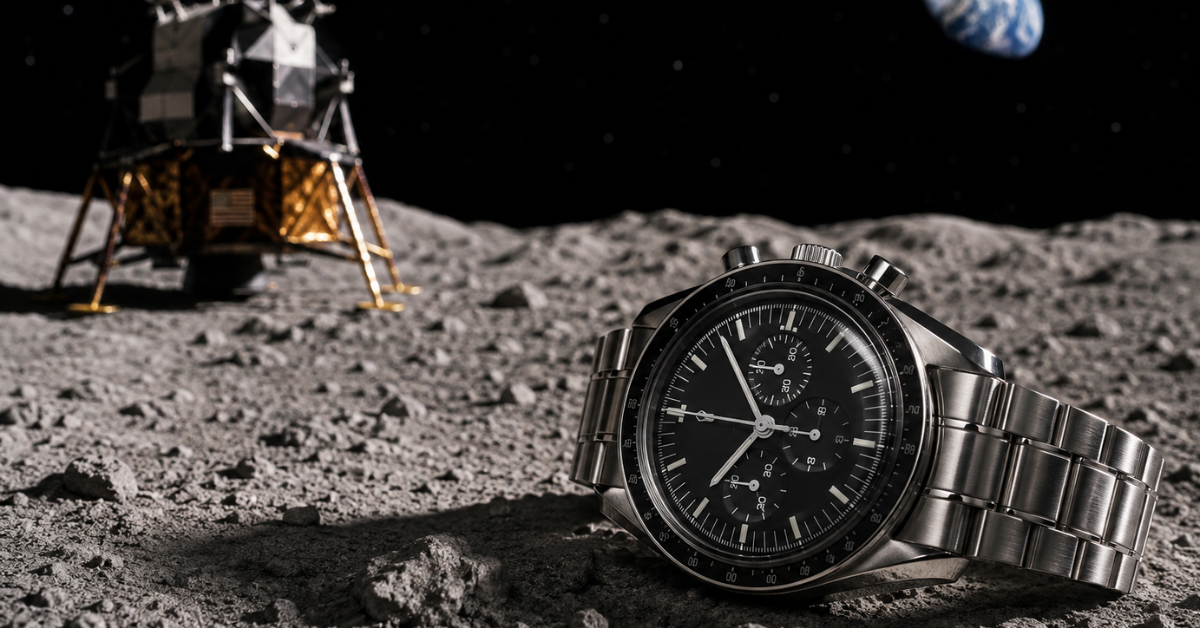
When Apollo 11 landed and Buzz Aldrin stepped onto the lunar surface, he wore a Speedmaster on his wrist. Neil Armstrong's Speedmaster, meanwhile, stayed inside the Lunar Module — its onboard clock had developed an issue, and Armstrong's watch was left behind to serve as a timing backup for the cabin. It's a detail that gets flattened in most retellings, and it's worth keeping straight: Aldrin's Speedmaster is the one that physically touched the lunar surface, which is why it's the watch most associated with the Moonwatch name specifically, even though both astronauts carried one.
Apollo 13: The Mission Where It Actually Mattered Most
If Apollo 11 made the Speedmaster famous, Apollo 13 is the mission that proved why NASA's original 1964 requirement — a fail-safe, independent of the spacecraft's electronics — wasn't a hypothetical.
After an oxygen tank explosion crippled the spacecraft in April 1970, the crew had to power down nearly everything, including onboard instrumentation, to conserve what little electricity remained for re-entry. To correct their trajectory and make it home, they needed to perform a precisely timed manual engine burn — 14 seconds, executed by hand, with no computer assistance and no instrument panel timer to rely on. The crew used a Speedmaster's chronograph function to time it.
The burn worked. The crew returned safely. NASA later recognized Omega's contribution to that outcome with the Silver Snoopy Award, an honor given for significant contributions to human spaceflight safety and mission success — one of the only times a watch manufacturer has received it.
Still Qualified, Still Flying
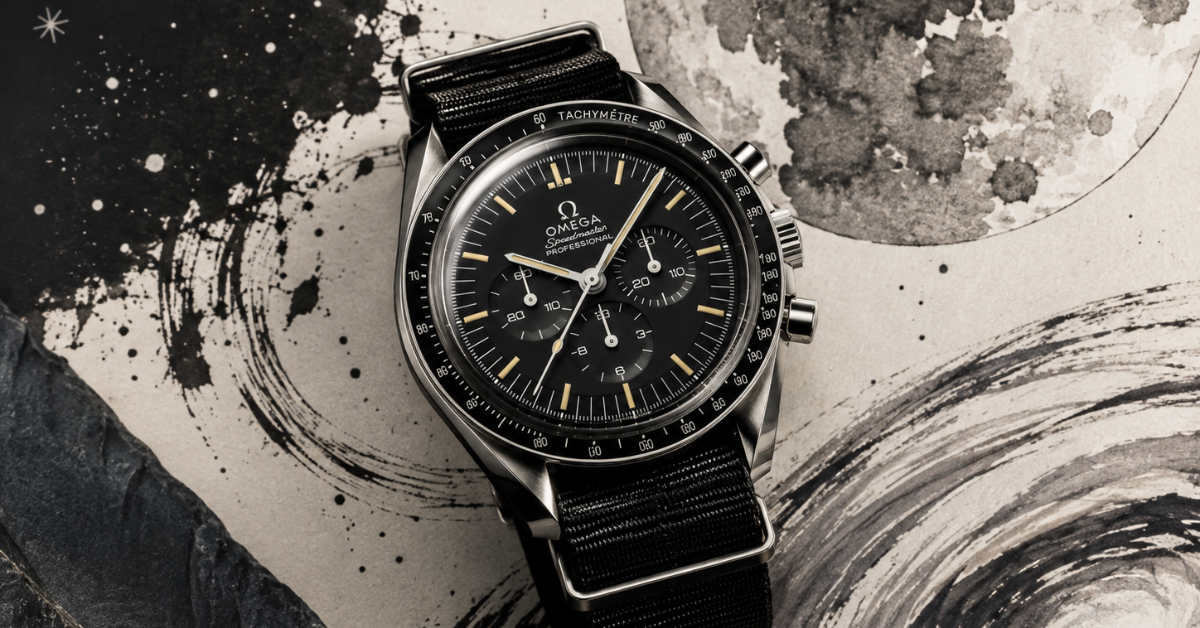
More than sixty years after that March 1965 testing, the Speedmaster remains the only watch NASA and other international space agencies have qualified for extravehicular activity. That status hasn't been handed down as tradition — it's a certification that would need to be re-earned by any watch attempting to replace it, and none has.
Today's Speedmaster Moonwatch models trace their design directly back to the watch that passed those original tests, right down to the manual-wind movement in some references. If you're weighing which current Moonwatch reference actually makes sense to buy, our Best Omega Speedmaster Models guide breaks down the full current lineup, from the standard Moonwatch through the Dark Side of the Moon.
Why This Story Still Matters to Buyers
It's easy to treat "NASA-qualified" as marketing shorthand at this point — sixty years of repetition can flatten anything into a slogan. But the underlying fact hasn't changed: this is one of the only watch industry claims that was independently, adversarially tested by an outside body with no financial interest in the outcome, and verified through actual mission use under conditions no other product category ever faces.
That's a meaningfully different kind of credibility than a brand's own marketing claims, and it's part of why the Speedmaster still commands the collector interest it does. For buyers considering an early reference specifically for that history, our roundup of 5 Best Vintage Omega Watches Worth Collecting covers which vintage Speedmasters are actually worth pursuing, and at what condition and price point.
FAQ
Did NASA design the Omega Speedmaster for space travel? No. The Speedmaster was designed in 1957 as a motor-racing chronograph, years before NASA existed in its current form, and passed NASA's 1965 qualification testing in its existing, unmodified design.
Which watch brands did Omega beat in NASA's testing? Submissions reportedly included Rolex and Longines-Wittnauer among others; accounts describe a Rolex submission failing during humidity testing and a Longines-Wittnauer entry failing under temperature extremes, while the Omega Speedmaster passed every test.
Whose Speedmaster actually touched the Moon on Apollo 11? Buzz Aldrin's Speedmaster went to the lunar surface; Neil Armstrong left his watch inside the Lunar Module as a timing backup after an issue with the cabin's onboard clock.
What role did the Speedmaster play in the Apollo 13 rescue? The crew used its chronograph function to manually time a critical 14-second engine burn after powering down onboard instrumentation to conserve electricity, a maneuver essential to their safe return to Earth.
Is the Speedmaster still NASA-qualified today? Yes. It remains the only watch qualified by NASA and other international space agencies for extravehicular activity, a status that has held since 1965.
Conclusion
The Speedmaster's connection to NASA isn't a licensing deal or a brand partnership dressed up as history — it's the outcome of a genuinely adversarial test that other watches failed. That distinction is easy to lose after sixty years of retelling, but it's the actual reason the story still holds up: an engineer set out to break watches, and only one survived.
Editor-in-Chief
Editorial Team